Budgeting at a casino is less about willpower and more about building a system that survives a busy arvo, a long session, and the odd bad beat. I have spent twenty years shaping land-based floors, social games, and iGaming products, and the players who stay solvent treat their spend the same way they treat a betting slip: as a fixed cost kaspinet.com with a hard stop. The trick is making that stop visible before the first round, not hoping discipline will appear halfway through.
Setting a session limit you can actually stick to
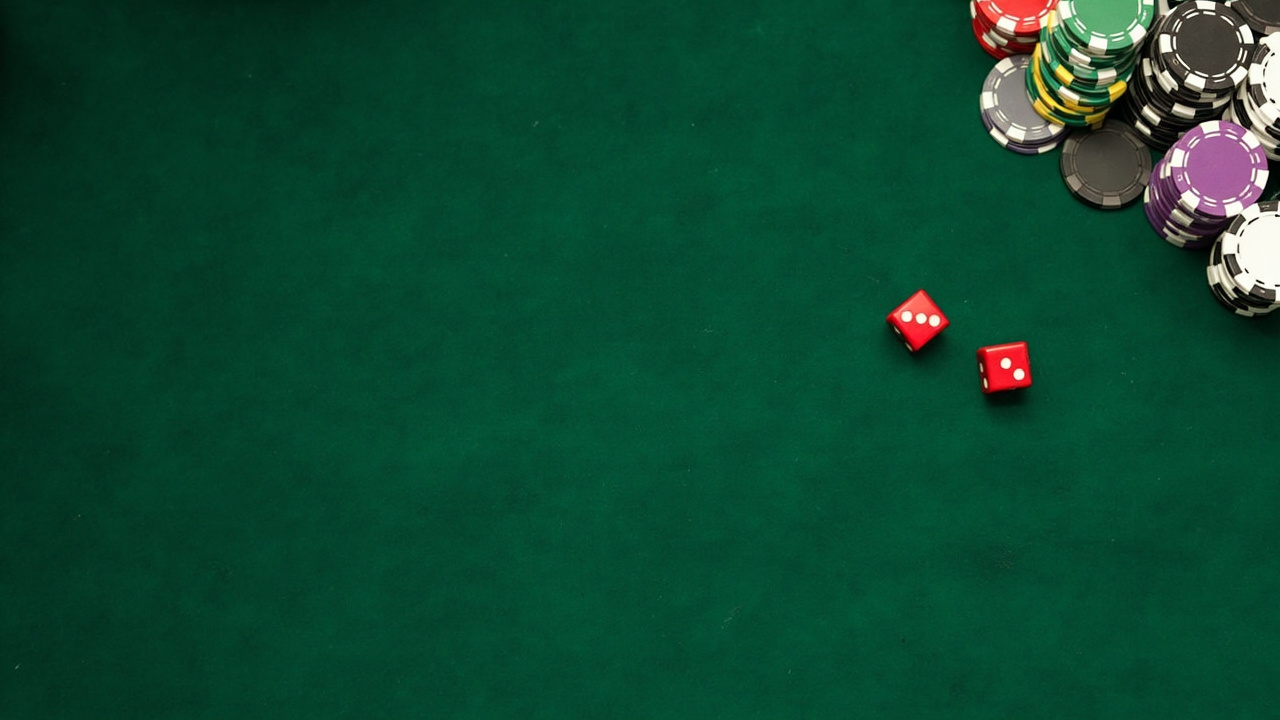
A working budget starts with a number you can afford to lose, not a number you hope to double. In my experience designing table-limit structures and social-game entry points, the cleanest sessions happen when players separate their entertainment spend from their everyday money before they arrive. That means deciding the total for the night, then breaking it into smaller chunks so a single streak does not quietly consume the whole plan.
For an Australian player, that usually means thinking in terms of a single outing rather than a week of ad-hoc play. Pick the amount, put the rest away, and treat the session like a prepaid ticket. If you are heading to a Hobart venue on a Friday night, the same logic applies as it does to a mobile session at home: the cap is set before the first bet, not after the third win. The goal is not to predict outcomes but to make the cost of play explicit from the start.
How to structure your spend across a night
A budget only works when it is divided into pieces that match how you actually play. I have built product flows where players choose a session size and then watch it tick down in real time, and the same discipline translates directly to a live floor or a regulated online account. The key is giving every dollar a job before the night begins.
- Entry and transport buffer. Keep a small fixed amount aside for parking, a meal, or a ride home so you are not pulling from your play money to cover the basics.
- Game allocation. Split the session into segments for different tables or machines, so one hot run does not eat the whole budget and one cold run does not force you to chase.
- Stop point. Decide in advance what a win looks like for the night and what a loss looks like, then leave when either line is hit.
That last point matters more than most players admit. In land-based design, we learned quickly that a visible counter or a simple written note beats memory every time. On mobile, the same idea shows up as a session timer or a spending reminder, and the Australian market has leaned hard into those safeguards because so many people play between commutes and weekend footy. A plinko ball x2 is the kind of moment that can make a budget feel flexible, but the discipline only holds when the limit was set before the game started.
The same principle holds when you need to track a ball’s path, which is why many digital tables now highlight a plinko ball x2 for instant visual reference. You can explore how this design choice shapes modern layouts at https://plinko-play-au.com/. When the interface does the remembering for you, you focus entirely on the next spin.
| What to set | How to think about it | What it protects |
|---|---|---|
| Total session amount | A fixed loss you can afford before you arrive | Your overall night |
| Per-game split | Smaller chunks for each table or screen | One streak from consuming everything |
| Win and loss lines | Pre-decided exit points, written down if needed | Chasing after a big swing |
| Buffer for basics | Transport, food, or a ride home kept separate | Your play money from everyday costs |
Who this kind of budgeting suits best
This approach is not for everyone, and pretending otherwise is how bad sessions happen. It suits players who treat casino time as paid entertainment, who are comfortable walking away at a predetermined point, and who do not need a win to make the night worthwhile. If you are the sort of person who can enjoy a game without needing the next bet to fix the last one, a structured budget is a useful habit rather than a restriction.
It is less useful for anyone playing to recover a loss, or anyone whose session budget is tied to money that really belongs elsewhere. In my work across social and iGaming products, the clearest warning sign has always been a player who sets a limit after the fact, or who revises the number midway because the game “feels different” tonight. The budget only earns its keep when it is honest at the start and respected at the end.
For Hobart players and others playing locally, the same principle holds: the venue, the device, and the time of day all change, but the discipline does not. A practical budget is simply a way of making the night predictable enough that you can enjoy it without turning the whole thing into a financial problem.
The best casino gambling budget tips are the ones you can follow when you are tired, winning, losing, or halfway through a second drink. Set the number, split it sensibly, and leave when the lines you chose are hit. That is the whole game, and it is a lot more reliable than hoping your luck will sort out the maths later.